


















Your Ultimate Guide to Bangkok Street Food

Bangkok Streetfood

The energy of Bangkok is inseparable from the sizzle of woks and the aroma of grilling meats that fill its streets. For many, a trip to Thailand's capital is a Bangkok culinary adventure defined by its world-famous street food. From bubbling pots of noodle soup to sweet, sticky rice desserts, the city offers an overwhelming feast for the senses. This is more than just a meal; it's a direct line to the heart of Thai culture.

Navigating this delicious chaos for the first time can be a little intimidating. Which vendor has the best Pad Thai? Is it safe to eat? How do you even order? This eating street food guide is designed to answer those questions, providing the essential street food tips you need to eat like a local, confidently and safely. Prepare to explore the vibrant stalls and discover why Bangkok street food is celebrated around the globe.

Finding the Best Bites: How to Choose a Stall

One of the first things you will notice is the sheer number of vendors, each offering a tempting array of dishes. The secret to a great experience lies in knowing how to choose. Your best tool is observation. Look for the stalls with a steady stream of customers, especially locals. A long line is almost always a sign of quality, freshness, and a trusted reputation. A high turnover means ingredients are not sitting around; they are being cooked and served quickly, which is exactly what you want.

Trust your senses to guide you. Before you commit, take a moment to look at the vendor's setup. Does the cooking area look organised and clean? Are the raw ingredients, like vegetables and meat, fresh and vibrant? A vendor who takes pride in their workspace is likely to take pride in their food. This simple visual check is one of the most reliable street food dos and don'ts to follow.

Don't hesitate to wander off the main tourist drags. While popular areas have great options, some of the most memorable meals are found down quieter sois (side streets). Each vendor often specialises in one or two specific Thai dishes, perfecting their recipe over years or even generations. Finding your favourite vendor for Khao Man Gai (chicken and rice) or Moo Ping (grilled pork skewers) is a rewarding part of the experience.

If you are feeling unsure, a friendly approach goes a long way. A smile and a simple point at what someone else is eating can work wonders. Many vendors appreciate curious visitors and may even offer a recommendation if you ask. This interaction is part of the charm of the Bangkok street food scene.

What to Eat: Discovering Authentic Thai Dishes

While Pad Thai is a global icon, your journey into authentic Thai food has only just begun. Be adventurous and look beyond the familiar. Start your day with a bowl of Jok, a comforting rice congee often served with pork and a soft-boiled egg. For lunch, seek out a vendor selling Kuay Teow Reua, or "boat noodles," a rich and flavourful soup with a complex broth, so-named because it was originally sold from boats along Bangkok's canals.

As the sun sets, the options multiply. This is the perfect time to try Som Tum, a spicy green papaya salad that perfectly balances sweet, sour, salty, and spicy flavours. Pair it with Gai Yang (grilled chicken) and a basket of sticky rice for a classic Isan-style meal. For something heartier, look for Pad Krapow Moo, a stir-fry of minced pork with holy basil, served over rice with a fried egg on top. It's a beloved comfort food for good reason.

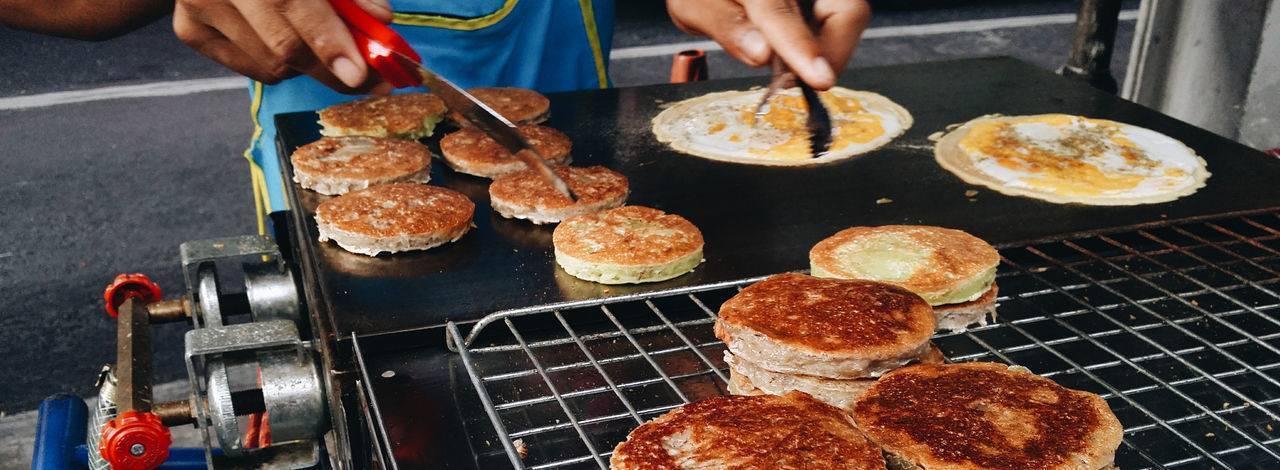
Don't forget about the snacks and desserts that complete the experience. Mango Sticky Rice (Khao Niao Mamuang) is a must-try when in season, featuring sweet, ripe mango slices served over coconut milk-infused sticky rice. Another fantastic option is Khanom Bueang, tiny, crispy crepes filled with meringue and sweet or savoury toppings. Exploring these lesser-known Thai dishes is the key to a truly memorable food adventure.

Many vendors are happy to adjust the spice level for you. If you are not accustomed to intense heat, you can ask for your dish "mai phet," which means "not spicy." However, a little bit of chilli is integral to the flavour profile of many dishes, so trying a mild version is a great way to experience the intended taste. It is one of the most practical street food tips for visitors.

The Practical Side: Tips for a Smooth Experience

To make your Bangkok culinary adventure as smooth as possible, a few practical tips are in order. First, always carry cash, specifically small denominations of Thai Baht. Most street food vendors do not accept credit cards, and fumbling with a large 1,000 Baht note for a 50 Baht meal can be inconvenient for everyone. Having 20, 50, and 100 Baht bills on hand makes transactions quick and easy.

Next, understand the dining environment. Bangkok street food is typically a casual affair. You will often eat on small plastic stools at a fold-out table on the sidewalk, or sometimes even standing up. This is part of the authentic experience, so embrace the bustling, no-frills atmosphere. The focus is entirely on the food, not on formal service.

Finally, hygiene is a valid concern for many travellers. While most vendors are safe, it's wise to carry a small bottle of hand sanitiser and use it before you eat. Bangkok's heat and humidity also make hydration essential. Stay refreshed by grabbing a bottle of water, a fresh coconut, or a cup of Cha Yen (Thai iced tea) from a beverage stall.

Staying Safe and Savvy: Final Dos and Don'ts

A few final points will ensure your street food journey is safe and enjoyable. When it comes to water, always stick to bottled. While the ice served in drinks is generally safe and made from filtered water at government-inspected facilities, it is best to avoid tap water entirely. This is a fundamental rule in any eating street food guide.

If you have food allergies, communication is critical. Learn the Thai phrases for your specific allergy or have it written down on a card. A translation app can also be a lifesaver. While many vendors may not speak fluent English, showing them the written words for "peanut allergy" or "no shellfish" can prevent a serious issue.

Be mindful of portion sizes. It is incredibly tempting to order everything that looks good, but it is better to start small. Order one or two dishes to share, and if you are still hungry, you can always go back for more or move on to the next stall. This approach helps you sample a wider variety and prevents food waste. Following these simple street food dos and don'ts ensures your focus remains on the incredible flavours and vibrant culture of Bangkok.

Need a smooth, hassle-free base to explore the food scene from? Plan your stay in Bangkok and make every bite count.

Tags: Food & DrinkTravel Tips
Help

May I assist you?

Please wait a moment. We are currently processing your request.