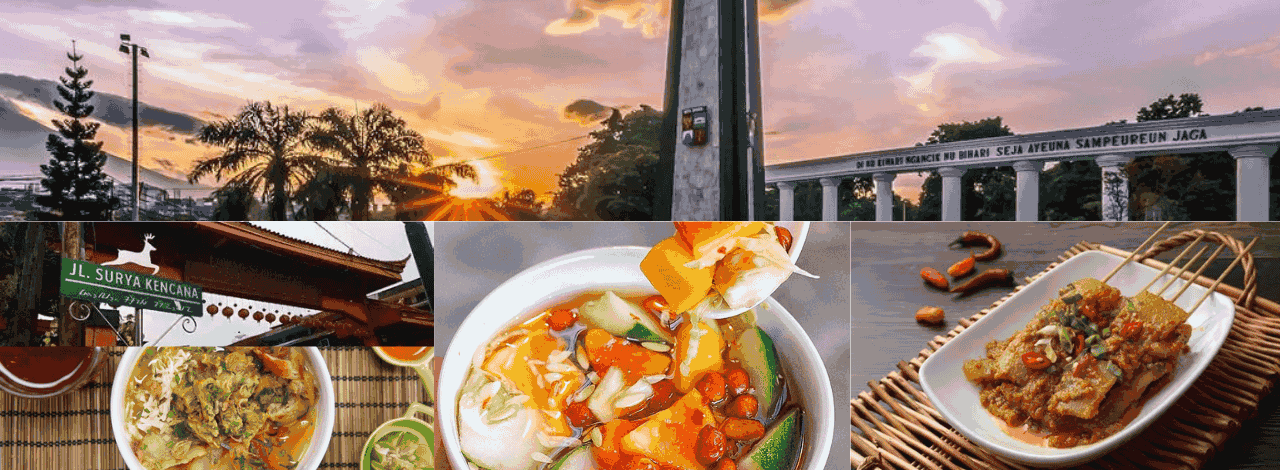
Rain hits Jalan Suryakencana, and the question changes fast: not what to see first, but what to eat in Bogor before the next queue forms.
A Bogor food trip sounds easy until the day starts breaking in the wrong places: too much time in transit, a base that is too far from the historic core, or a stay that suits scenery better than the way you actually want to eat.
For a food-led weekend, that usually means being honest about the kind of trip you want. Are you doing a tight day trip from Jakarta, or do you want enough room for a slow dinner, a rain delay, and one more stop for soup after dark? Through Discover ASR, you can compare stays across Ascott's portfolio in Greater Jakarta and West Java, which helps when you are deciding whether Bogor works better as a same-day dash or as part of a broader overnight escape.
That is the version of Bogor this guide follows. We prepared this guide from what we consistently observe across our hospitality portfolio and from more than a decade of destination and culinary writing across Indonesia. Bogor rewards you most when you organize your route by dish type, neighborhood, and timing rather than by one famous name alone.
- Start with the essentials: Soto Mie, Toge Goreng, Laksa Bogor, and Asinan Bogor.
- Think in clusters: Suryakencana, market edges, and central warungs make a better first route.
- Match the mood to the hour: broth in the morning, lighter snacks later, warmer plates again after dark.
- Leave bag space: Roti Unyil, Lapis Talas, and other take-home snacks are part of the experience.
What Makes Bogor a Unique Food Destination?
Many Indonesian cities are strongly associated with one signature dish. Bogor is messier in the best way.
Its culinary identity comes from overlap: traditional Sundanese flavors, market culture, Chinese-Indonesian influences, a long trading history, and weather that makes a hot bowl of broth feel like the correct decision more often than not. In Bogor, you can move from tauco-heavy comfort food to sharp, refreshing Asinan without it feeling like two different cities.
The setting matters too. Bogor sits in the heart of West Java, close to fertile agricultural areas that have supplied vegetables, fruit, and fresh ingredients for generations. Add the city's historical role as an administrative and trading center, and you get a food culture that feels layered rather than neatly packaged.
What that means for you is simple: one day here can include broth-based dishes, market snacks, fermented depth, fruit-forward refreshment, and a cafe stop without the route feeling repetitive. Bogor is not a one-note food destination. That is exactly why it rewards repeat visits.
Understanding Bogor's Sundanese Culinary Identity
To understand what to eat in Bogor, it helps to understand Sundanese cuisine first.
Compared with some other Indonesian regional cuisines, Sundanese food often leans toward freshness and balance. Vegetables matter. Broths tend to feel lighter than you expect. Sambal is important, but it usually supports rather than dominates. Fermented ingredients such as tauco bring depth without turning a dish aggressive.
You can see that across Bogor's food landscape. Soto Mie feels rich but rarely heavy. Toge Goreng depends on sauce, not grease. Asinan wakes up your palate with acidity and crunch instead of weight. Even coconut milk-based dishes often feel cleaner than first-time travelers expect.
How History Shaped the Food Culture of Bogor
Bogor's food story is tied closely to how the city developed.
The area around today's Bogor Botanical Garden became an important center during the colonial period. Government activity, trade, migration, and agriculture all shaped the city's growth. Chinese-Indonesian communities helped define local dining traditions, especially around corridors such as Jalan Suryakencana, where culinary businesses have operated for generations.
That influence still shows up clearly. You can sit down to a traditional Sundanese lunch, pick up noodles or snacks shaped by Chinese-Indonesian cooking later in the day, and end the evening with a mix of old and newer comfort foods on the same route.
The result is not just variety for variety's sake. Bogor's food scene reflects the city's actual history: movement, exchange, adaptation, and routines that stayed in place long enough to become local habit.
Why Food Reveals Bogor Better Than a Landmark Checklist
Most first-time travelers start with attractions.
Locals often start with appetite.
A landmark tells you where a city is. Food tells you how people move through it, what time they wake up, where they gather when it rains, and which flavors stayed important long after trends changed. In Bogor, that difference is obvious. The city can feel pleasant through a checklist. It feels memorable through meals.
According to IPB University's Journal of Consumer Sciences, culinary experiences help shape destination attractiveness and visitor satisfaction. That tracks with what we consistently observe across our Indonesia properties. Travelers may remember a garden, a cooler temperature, or the relief of leaving Jakarta for a day, but the stories they repeat later are usually smaller and more specific: the first spoonful of Soto Mie on a wet morning, a snack found under a market awning, a family-run warung that looked ordinary until the food arrived.
That is why Bogor rewards a food-first route. The city makes more sense when you eat through it.
Must-Try Bogor Dishes Every Visitor Should Start With
You do not need a list of fifty places.
You need a smart first four.
If this is your first visit, focus on Soto Mie Bogor, Toge Goreng, Laksa Bogor, and Asinan Bogor. Together, they give you broth, tauco, coconut richness, acidity, crunch, and the balance that runs through much of Bogor's culinary identity.
Soto Mie Bogor: The Bowl That Defines Comfort Food
Ask locals what you should eat first in Bogor, and Soto Mie usually appears near the top.
At first glance, it looks straightforward: broth, sliced beef, noodles, vegetables, and crispy elements that soften as they sit. Then you take a few spoonfuls and understand why people keep pointing you toward it. The broth warms without turning heavy. The textures keep changing. The bowl feels especially right when the air is cool and the sidewalks are still wet.
That fit between climate and dish is part of the appeal. Bogor is one of those cities where the weather changes the meal. On a rainy morning, Soto Mie does not feel like an option. It feels correct.
Locals usually judge Soto Mie by harmony, not excess. You want flavor without muddiness, texture without chaos, and a bowl that still tastes coherent once the crispy parts begin to soften. When it is good, it feels easy. That ease is harder to achieve than it sounds.
Toge Goreng: Bogor's Most Misunderstood Signature Dish
Among Bogor's best-known foods, Toge Goreng may be the one most likely to confuse first-time travelers.
The name makes many people expect something heavily fried. What arrives is different: bean sprouts, tofu, ketupat, noodles, and a tauco-based sauce that is savory, slightly sweet, and deeply local. The texture is saucy rather than crisp. The flavor is the point.
That surprise is part of why the dish sticks. Toge Goreng is the kind of meal that corrects your assumptions halfway through lunch.
Why Locals Continue to Love Toge Goreng
Part of the appeal is continuity.
Unlike trend-driven foods that spike in visibility and fade, Toge Goreng has remained part of everyday eating across generations. Parents introduce it to children. Families go back to the same vendors. Long-running stalls keep serving a version that regulars recognize instantly.
That matters because a food tells you more when local people still choose it without needing to perform pride about it. Toge Goreng is not interesting only because it is traditional. It is interesting because it still has a place in normal life.
Laksa Bogor and Its Rich Culinary Heritage
Laksa exists across Southeast Asia, but Laksa Bogor has its own personality.
It combines coconut milk, aromatic spices, and careful seasoning into something richer than many other Bogor staples. Yet even with that richness, the dish still holds onto the balance that defines much of Sundanese cooking. It is flavorful, but not blunt.
For anyone interested in regional variation within Indonesian food, Laksa Bogor is a good lesson. Familiar names do not guarantee familiar flavors. A dish can travel, absorb local habits, and come out with a very different identity.
Bogor's version shows exactly that.
Asinan Bogor: The Refreshing Counterbalance
Every strong food city needs contrast.
In Bogor, that contrast often comes through Asinan.
Fruit or vegetables meet a dressing built on sweetness, acidity, and chili, producing something bright, refreshing, and useful after heavier dishes. This is not just a side note in the city's food culture. It is part of the rhythm. Bogor would feel flatter without it.
Asinan works especially well when the day gets warmer or when you need a reset between richer stops. It is the dish that keeps a food-heavy itinerary from collapsing under its own weight.
Why These Four Dishes Matter Most
Taken together, Soto Mie, Toge Goreng, Laksa Bogor, and Asinan Bogor tell you more about the city than a much longer list of random recommendations.
They cover broth, fermentation, coconut richness, freshness, spice, texture, and long-standing local habit. They show how Sundanese flavors interact with broader Indonesian influences. Most importantly, they are still foods people in Bogor actually eat.
You are not just trying famous dishes. You are stepping into the city's daily food logic.
Where Locals Actually Eat in Bogor
If you only follow famous names, Bogor can feel fragmented.
One reason Bogor works so well for short culinary trips is that several important eating areas still sit relatively close to one another. You can cover multiple signature dishes in a day without turning the route into an endurance test.
According to Jurnal Sejarah, Pendidikan dan Humaniora (2026), many of Bogor's culinary attractions remain concentrated around the city's historic urban core. That concentration helps explain why food-led walking routes and short transfers still work here.
Jalan Suryakencana: The Heart of Bogor's Food Scene
If you only have time for one food district, start with Jalan Suryakencana.
Few streets explain Bogor as clearly as this one. Traditional snacks, Chinese-Indonesian influences, local comfort food, family-run businesses, and newer dining concepts sit close together. You do not get a polished, single-style food strip. You get a corridor that still feels lived in.
The street changes character by the hour. Morning brings breakfast traffic and market movement. Late afternoon gets busier. After sunset, the area takes on a different rhythm as students, workers, families, and weekend food hunters all arrive at once.
Its biggest advantage for first-time travelers is walkability. On a typical weekend, you can move between several stops without constantly relocating your car or ride. Rain may interrupt you, but that is part of Bogor's pattern too. Sometimes the best move is to wait under an awning, order a drink, and continue once the shower passes.
For travelers staying in a central Bogor or nearby Greater Jakarta base booked through Discover ASR, Jalan Suryakencana often becomes the easiest anchor for the entire day.
The Areas Around Pasar Bogor
Bogor's food culture stays close to market life.
Around Pasar Bogor and the surrounding commercial streets, you see many of the conditions that help traditional food businesses last: steady foot traffic, fresh ingredients, repeat customers, and a customer base that is there to eat, not just document the experience.
These streets are not always polished. That is part of the point.
Morning is usually the best time to be here. Vegetables come in fresh, traditional snacks appear in wider variety, and the pace feels practical instead of performative. If you want to see how food functions in everyday Bogor rather than in a curated weekend version of it, market-adjacent areas give you that view quickly.
Around the Bogor Botanical Garden
The Bogor Botanical Garden remains one of the city's best-known attractions, and the nearby neighborhoods naturally benefit from steady traveler traffic.
That sequence works because it respects the city's geography. It also helps if you are deciding whether Bogor is a same-day outing or worth staying longer. If your plan already includes the garden, snacks, dinner, and a slow evening around Jalan Suryakencana, the overnight option starts making more sense.
Traditional Warungs Worth Seeking Out
One of the easiest mistakes in Bogor is assuming the best meal must come from the most famous restaurant.
Some of the strongest dishes still come from traditional warungs focused on a small number of specialties. Years of repetition matter. Recipes stabilize. Preparation gets sharper. Regulars keep returning because the result is dependable.
A short menu can be a very good sign here.
When a vendor spends years concentrating on Soto Mie, Toge Goreng, or one other local staple, consistency often improves. That does not mean every small warung is automatically excellent. It means specialization in Bogor is usually worth paying attention to.
Family-Friendly Places for Local Comfort Food
Street food is central to Bogor's identity, but families often need a different setup.
Larger restaurants usually offer easier parking, more seating, and a more relaxed pace for groups traveling with children, parents, or grandparents. That matters in Bogor, where multi-generational weekend trips are common and where the food route needs to work for more than one appetite and energy level.
Shared dining fits naturally here. Rather than each person ordering one large dish, many groups choose several items and divide them across the table. You get more variety that way, and the day stays easier.
For family trips, the strongest route is often a mix: a few street-food discoveries, one comfortable sit-down meal, then another round of lighter snacks later on.
Hidden Gems Beyond Popular Tourist Lists
Every city has places that receive constant attention and places that quietly build loyal followings.
Bogor is full of the second category.
A noodle stall behind a busy storefront. A bakery known mostly to nearby residents. A traditional snack seller whose real marketing channel is that people keep coming back. These businesses may never dominate national lists, but they shape the city far more than trend-driven places do.
If you leave room in your itinerary for one or two unplanned stops, Bogor usually rewards that decision.
Sweet Treats and Snacks to Bring Home from Bogor
The food experience in Bogor rarely ends with your last meal.
For many travelers, souvenir shopping is the final stop before heading back to Jakarta or continuing elsewhere in West Java. Bogor makes that easy because several of its best-known food souvenirs travel well and still feel tied to local identity.
Roti Unyil: The Souvenir Every Visitor Knows
Few Bogor souvenirs are as recognizable as Roti Unyil.
Its popularity comes from practicality. The small size lets you sample several flavors in one purchase, and it is easy to bring back for family, friends, or colleagues. For short journeys, it also travels well enough to remain a reliable last stop.
Lapis Talas Bogor and Its Modern Success Story
Lapis Talas represents a newer chapter in Bogor's culinary story.
By turning taro into a widely recognizable cake product, local producers created one of the city's most successful modern souvenirs. The appeal is clear: it feels linked to Bogor's agricultural identity while remaining easy to carry and easy to gift.
Talas-Based Snacks and Agricultural Heritage
Taro has long been associated with Bogor and its surrounding areas.
That is why many travelers also pick up packaged talas chips and other taro-based snacks. They are easier to transport than fresh items and they connect back to a deeper point: culinary identity usually starts with what a region grows well, not just what it markets best.
Traditional Sundanese Sweets Worth Discovering
If you are willing to look beyond the most obvious souvenir counters, older markets often reveal a different category of take-home food.
Traditional cakes, coconut-based sweets, steamed snacks, and seasonal specialties may lack polished packaging, but they often carry a more intimate connection to local routines. Availability can vary. That inconsistency is part of the appeal.
These are foods still tied to vendors, neighborhoods, and daily production, not just to souvenir demand.
A One-Day Food Itinerary Through Bogor
A successful Bogor food route is not about squeezing in the maximum number of stops. It is about matching the right dish to the right hour, understanding how areas connect, and keeping enough appetite for the evening.
The good news is that many of Bogor's best-known culinary zones are still close enough together to support a realistic one-day plan.
If you are arriving from Jakarta in the morning and heading back the same night, this route gives you a practical balance between signature dishes, local snacks, and neighborhood exploration. If you are staying overnight through Discover ASR in Greater Jakarta or West Java, the same route becomes easier because you can stop rushing every meal.
08:00 – Start the Day with Soto Mie Bogor
Begin with Soto Mie while the city still feels relatively calm.
10:00 – Explore the Botanical Garden Area
After breakfast, spend time around the Bogor Botanical Garden and nearby city-center streets.
11:30 – Refresh with Asinan Bogor
Before lunch, shift toward Asinan.
13:00 – Lunch Featuring Toge Goreng
Lunch is the right moment for Toge Goreng.
15:00 – Coffee, Traditional Cakes, and a Slower Pace
Mid-afternoon is a good time to slow down.
18:30 – Dinner Around Jalan Suryakencana
As evening arrives, head toward Jalan Suryakencana.
20:30 – One Final Comfort Food Stop
If you still have room, end with something warm and simple.
What Does a Typical Food Budget Look Like?
As a rough planning range, budget around IDR 150,000 to IDR 300,000 per person for a one-day food route.
This estimate assumes:
- Four to six food stops
- Standard local eateries
- Shared side dishes where appropriate
- One cafe visit
- Drinks throughout the day
- The estimate does not include:
- Transport
- Premium restaurants
- Specialty coffee destinations
- Souvenir purchases
- If you focus on local food rather than higher-end dining, Bogor remains a relatively accessible city for a full day of eating.
Essential Tips Before Exploring Bogor's Culinary Scene
A little preparation improves this trip quickly.
Bogor is easy to enjoy, but it is also easy to misjudge if you treat it like a frictionless day out.
Expect Rain and Build Flexibility into Your Plans
Bogor's reputation for rainfall is earned.
Weather can turn quickly, especially in certain seasons. Instead of treating rain as a full disruption, build it into the rhythm of the day. A coffee stop, a longer lunch, or a pause under an awning is often part of the real Bogor experience anyway.
Warm food tends to taste even better when the city slows down around it.
Bring Both Cash and Cashless Payment Options
Payment methods vary more than many travelers expect.
Larger restaurants and cafes often accept cards, digital wallets, and QR payments. Smaller stalls may still prefer cash. Having both gives you more flexibility and saves time when the line behind you is moving fast.
Understand Local Dining Etiquette
Dining in Indonesia tends to be relaxed and communal.
Sharing dishes is common. Groups often order several items and eat together rather than treating the table as a set of separate meals. If you lean into that rhythm, you usually get more variety and a better sense of how local eating actually works.
How to Identify a Good Food Stop
There is no perfect formula, but a few indicators help.
Look for:
- Consistent customer traffic
- A focused menu
- Signs of repeat local customers
- Freshly prepared ingredients
- Staff who clearly know their specialty
None of these guarantees a great meal. They do tend to point you in the right direction.
Why Timing Matters More Than Many Travelers Expect
One of the easiest ways to get Bogor wrong is to ignore timing.
Certain dishes fit specific hours better. Some vendors sell out earlier than expected. Market-based snacks are usually stronger in the morning, while evening is better for longer meals and comfort food. Day-trippers also need to be more disciplined than overnight travelers. If you are returning to Jakarta the same night, you cannot treat every district as equally practical.
Soto Mie often lands best before midday. Asinan makes more sense once the day warms up. Evening favors noodles, grilled dishes, and longer meals shared with friends or family.
Respect those rhythms and Bogor starts to feel coherent. Fight them, and the city can feel more tiring than it should.
Conclusion
Bogor earns repeat visits because comfort and character show up together.
The city gives you warm broth on rainy mornings, bright snacks in the afternoon, and lively food streets after dark. It combines Sundanese flavors with influences shaped by generations of trade and migration. Most importantly, many of its signature dishes still belong to everyday life.
If you are deciding how to shape a Bogor trip, start with four dishes: Soto Mie, Toge Goreng, Laksa Bogor, and Asinan Bogor.
Then choose a base that matches the day you want. A quick food-led run from Jakarta asks for one kind of plan. A slower overnight West Java weekend asks for another. Through Discover ASR, you can compare stays across Ascott's portfolio and pick the location that helps the city feel easy rather than overplanned.
That is usually where the best culinary memories begin.
Frequently Asked Questions
Is Toge Goreng Actually Fried?
Not in the way many first-time travelers expect.
The dish is defined more by bean sprouts, tofu, ketupat, noodles, and tauco sauce than by deep-frying. The name can mislead you, which is exactly why the first bite tends to reset expectations.
What Food Souvenirs Travel Best?
Roti Unyil, Lapis Talas, and packaged talas snacks are among the most practical options.
They travel relatively well, feel connected to local identity, and are easy to bring back for family, friends, or colleagues.
When Is the Best Time to Explore Bogor's Food Scene?
Morning is ideal for Soto Mie, traditional cakes, and market exploration.
Afternoon works well for Asinan and lighter snacks. Evening brings the strongest atmosphere around major dining streets such as Jalan Suryakencana.
Written by the Brand & Marketing Team, Ascott Indonesia – The Ascott Limited
Drawing on what we consistently observe across our multi-brand hospitality portfolio in Indonesia, we focus on helping you match the right stay to the right journey through Discover ASR and Ascott Star Rewards.