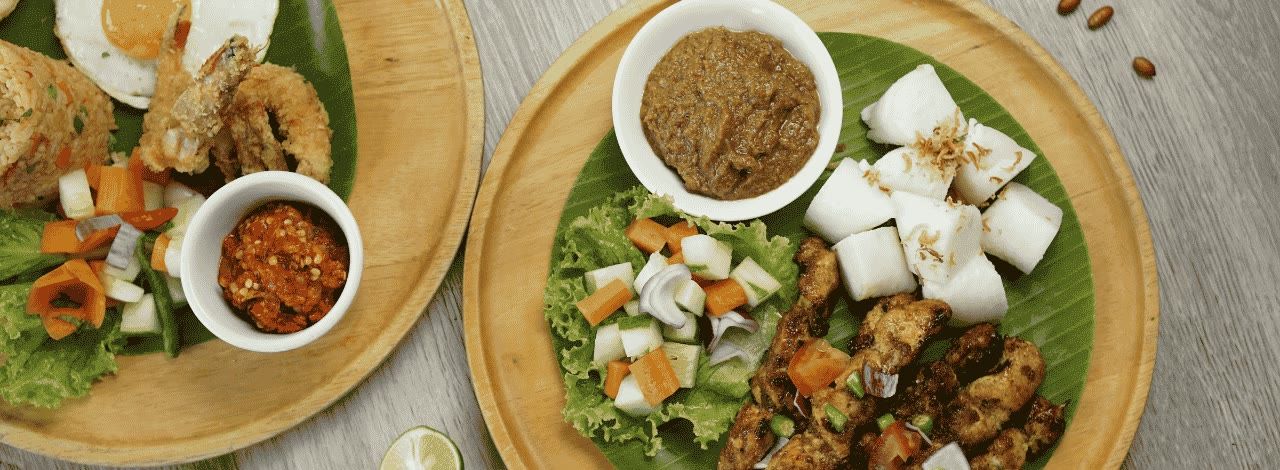
You can plan a quick Batam weekend around ferry times, spa slots, and shopping, but Batam local food usually ends up shaping the trip. One good bowl of noodles in the morning and one seafood dinner at night can make Batam feel less like a stopover and more like a city with its own appetite.
That is also where many first-time visitors get stuck. Too many signs promise the same crab, too many search results flatten the island into one dish category, and too many travelers miss the mornings completely. We use the same practical lens our team at Ascott Indonesia applies across destination content: help you find local food that reflects place, timing, and daily habit, not just what photographs well.
Key Takeaways:
- Batam works better as a cross-border food city than a seafood-only escape.
- The smartest rule is to follow meal time: breakfast, snack, dinner, then late-night comfort food.
- If you want a more Batam local experience, start with Malay-rooted dishes before you book a big seafood restaurant.
- Busy food court stops, market snacks, and neighborhood stalls often tell you more than one famous restaurant.
Why Batam Is One of Indonesia's Most Underrated Food Destinations
Batam food reflects movement: ferries from Singapore, trade habits from nearby Malaysia, and older island cooking traditions from the Riau archipelago. That mix gives the city a rhythm of fast lunches, practical breakfasts, and social dinners that feels different from larger urban centers in Indonesia.
How Batam's Location Shaped Its Unique Food Culture
According to Statistics Indonesia for Riau Islands Province (2024), Singapore remains a major driver of international arrivals into the province. You can feel that in the pace of eating across Batam City: early ferry arrivals, short decision windows, and meals that still serve identity without slowing the day down.
The Strong Malay and Riau Islands Influence Behind Local Cuisine
According to a Jurnal Potensi study on Malay local wisdom in Batam (2022), Malay local wisdom remains central to the island's identity. At the table, that means broths, grilled fish, coconut, sambal, and snacks that travel easily between home, market, and ferry terminal across the Riau Islands.
Why Seafood Is Only Part of the Story
Seafood is important, but it is not the whole story. If you only eat crab and shellfish, you miss the local side of Batam: mie tarempa, mie lendir, luti gendang, otak-otak, and breakfast foods that locals actually eat on an ordinary day.
Across business travelers, leisure guests, family travelers, MICE groups, and long-stay residents at Ascott properties throughout Indonesia, we see the same pattern: the places with the strongest repeat appeal are usually the ones where food still fits daily life. In Batam, that means timing matters as much as fame.
Must-Try Batam Local Food Every Traveler Should Experience
If you want the clearest introduction to Batam local food, start with the dishes locals use to define the island rather than the biggest menu photos.
Mie Tarempa
This noodle dish is savory, slightly spicy, and often mixed with fish or other seafood. It is one of the smartest first things to try if you want a plate that feels distinctly island-born.
Gong Gong
These sea snails are usually boiled or steamed and eaten with sauce. Gong gong is one of the quickest ways to taste something strongly tied to the wider Riau identity.
Luti Gendang
A soft fried bun filled with shredded fish, luti gendang works for breakfast, a ferry snack, or a quick bite between stops. It is filling, affordable, and more memorable than it first sounds.
Otak-Otak Batam
Grilled fish paste wrapped and lightly smoky, this is an easy entry point for families or cautious eaters. Many stalls serve it warm with sambal on the side.
Mie Lendir
According to the Tourism Scientific Journal study on mie lendir (2023), the dish reflects a meeting point between Malay and Chinese culinary influence and carries strong value as a Batam gastronomic attraction. Thick yellow mie, a nutty gravy, and a slightly sweet-savory profile make it one of the most distinctive things to eat here.
Sup Ikan Batam
This clear fish soup is light, aromatic, and useful after a heavier meal. If you want a coastal dish without a thick sauce or deep fry, this is a very good order.
- Mie Tarempa: smoky, savory, spicy
- Gong Gong: briny and chewy
- Luti Gendang: soft bun, savory fish
- Otak-Otak Batam: mild, grilled, fish-forward
- Mie Lendir: nutty, thick, sweet-savory
- Sup Ikan Batam: light and fresh
The Best Seafood Dishes to Try in Batam
A serious seafood meal still belongs on your list. The trick is ordering with a little structure so the experience feels local, not overpriced.
Chili Crab
This is the messy, communal classic: glossy sauce, sweetness, heat, and plenty of napkins. It is best shared.
Black Pepper Crab
If you prefer a sharper profile, this crab dish is drier, punchier, and easier to balance with other plates on the table.
Butter Prawns
Rich and easy to like, butter prawns work well for mixed groups who do not all want intense spice.
Grilled Fish with Sambal
This is where seafood starts to feel more local than generic. Ask what fish is freshest, then let the sambal do the rest.
Bamboo Clams and Shellfish
These are worth ordering if you want variety beyond crab. They are often lighter and let the texture lead the meal.
How to Order Seafood Like a Local
Always ask whether the price is based on weight, how the kitchen will cook it, and what portion size to expect. In any seafood restaurant, that one conversation matters more than the sign outside. Busy tables, clear ordering, and fast turnover are better signals than dramatic tanks.
What to Eat in Batam From Breakfast to Supper
The easiest way to understand food in Batam is by the time of day. Match the meal to the hour, and the island makes more sense.
Traditional Batam Breakfast Favorites
Breakfast is for mie lendir, lontong, snacks, and strong coffee. If you miss the morning window, you miss a big part of the city.
Midday Local Lunch Staples
Lunch is a good time for rice meals, grilled fish, chicken, or a noodle plate that will not slow you down.
Afternoon Snacks Worth Hunting Down
This is the right time for luti gendang, otak-otak, fried banana, and small market bites. In Batam, snacks carry real identity.
Popular Dinner Choices Among Locals
Dinner gets louder: crab, shellfish, grilled fish, soups, and shared plates. A food court can be a smarter choice than a single-format restaurant if your group has mixed tastes.
Late-Night Food Spots and Comfort Foods
Later at night, fried rice, satay, porridge, and soup usually take over. After a late ferry, simple comfort food is often a better idea than chasing one more big seafood order.
Sample One-Day Batam Food Trail
Breakfast: mie lendir and coffee
- Lunch: mie tarempa or a fish-and-rice meal
- Snack: luti gendang and otak-otak
- Dinner: grilled fish, crab, or shellfish
- Late supper: satay or a simple noodle soup
Where to Find Authentic Batam Local Food
Knowing what to eat helps, but setting matters just as much. The best Batam local food often depends on whether you choose a market, a neighborhood eatery, or a busy food court.
Traditional Food Courts Locals Love
A food court is one of the easiest places to compare dishes, watch what locals order, and keep costs flexible. It is also practical for groups.
Seafood Areas Worth Visiting
Areas around Harbour Bay remain popular for a first seafood dinner. Go, but treat it as one part of your Batam food trail, not the whole trip.
Morning Markets for Local Snacks
Morning markets are the best place for traditional cakes, takeaway snacks, and everyday buying patterns. Go early for better variety.
Hidden Local Eateries Beyond Tourist Zones
In and around Lubuk Baja, you will find smaller places doing one or two things very well. Some are near Grand Batam, others sit deeper in residential streets.
How to Spot Tourist Traps Versus Genuine Local Favorites
Check the address, scan recent photos, and confirm the opening hour before you go. On Google Maps, many listings in Kota Batam, Kepulauan Riau, Indonesia look similar at first, so read beyond ratings. A busy stall with clear portions often beats a heavily marketed restaurant.
Following local eating patterns usually leads to better results than chasing viral pins. A breakfast stall that matters at 8 a.m. may feel flat by noon, and that is especially true across the Riau Islands.
Batam Street Food and Affordable Eats
Street food in Batam can be very good if you keep to busy meal windows and visible cooking. You do not need a large budget to eat well here.
Best Street Food Under Budget
| Street Food Item |
Average Price |
Best Time to Buy |
Suitable For |
| Luti Gendang |
IDR 8,000–15,000 |
Morning to afternoon |
Snack seekers |
| Otak-Otak |
IDR 5,000–15,000 |
Afternoon to evening |
Families |
| Fried Banana |
IDR 5,000–12,000 |
Afternoon |
Light snack |
| Satay |
IDR 20,000–40,000 |
Evening |
Late-night eaters |
Satay and Grilled Snacks
Satay is an easy evening order because it is familiar, fast, and cooked fresh. If you are choosing late, grilled usually beats heavily fried.
Fried Banana and Traditional Desserts
Fried banana, market cakes, and even the occasional curry puff are worth slowing down for. These smaller bites show the softer, sweeter side of the island.
Night Market Favorites
Night markets bring smoke, noise, and fast choices. Order a few smaller plates instead of one heavy meal and you will taste more.
Family-Friendly Street Food Recommendations
For families, stick to grilled items, otak-otak, simple noodles, and high-turnover stalls. A well-run food court is often the easiest middle ground.
Practical Food Safety Tips for First-Time Visitors
Choose a busy street stall, order food served hot, and avoid seafood that looks like it has been sitting out. We also recommend checking Google Maps for the latest opening hour and exact address, then confirming on arrival because daily hours can shift.
Local Food Souvenirs Worth Bringing Home
Not every edible souvenir survives a ferry well. Choose things that travel cleanly and still taste good later.
Layer Cake and Kek Lapis
Lapis cake is the safe choice: rich, packed well, and easy to share back home.
Traditional Malay Snacks
These feel more regional, but always ask about shelf life before you buy.
Seafood Crackers and Kerupuk
Lightweight and easy to pack, these are practical gifts if you need something less fragile than cake.
Coffee and Local Beverage Products
Packaged coffee works well if luggage space is tight.
How to Pack Food Souvenirs for Ferry and Flight Travel
Use sealed packaging, firm containers, and double bags for anything aromatic. Ferry handling is rarely gentle.
Best Areas to Buy Authentic Food Gifts
Buy where locals are buying in volume, not only near transit points.
Common Mistakes Travelers Make When Exploring Batam Food
Eating Only at Major Tourist Seafood Restaurants
A famous seafood restaurant can be fun, but if that is all you do, your version of Batam local food becomes too narrow.
Missing Morning Food Experiences
Breakfast is where the city feels least staged and most itself.
Ignoring Traditional Malay Dishes
If you skip Malay-rooted cooking, you skip the logic behind much of Batam's cuisine.
Not Understanding Portion Sizes
Ask before you order. That matters for crab, shellfish, and any shared dish.
Overlooking Local Food Courts
A food court often solves variety, budget, and group indecision in one move.
The strongest meals here often come from ordinary formats: one noodle shop, one soup specialist, one grilled-fish counter. Repetition builds trust.
Planning Your Culinary Trip to Batam
Best Areas to Stay for Easy Food Access
If food is central to your trip, choose a base near dining clusters rather than one attraction only. As part of The Ascott Limited's network, our team at Ascott Indonesia thinks about location the same way travelers do: not just where you sleep, but what you can actually eat within easy reach before and after the rest of the day.
Ideal Length of Stay for Food Lovers
Two days is usually enough for breakfast culture, one proper seafood dinner, snacks, and a market round. One day works, but it pushes you toward the obvious.
Suggested Food Budget Per Day
- Budget: IDR 150,000–250,000
- Mid-range: IDR 300,000–600,000
- Premium: IDR 700,000+
Family-Friendly Food Experiences
Families usually do best with breakfast shops, clear-menu seafood spots, and flexible settings where grandparents, children, and cautious eaters can all find something comfortable.
Solo Traveler Dining Tips
Solo travelers should lean into breakfast shops, snack counters, and smaller restaurant formats where ordering one or two items feels natural.
Sample Two-Day Batam Culinary Itinerary
Day 1: local noodle lunch, snack stop, then a proper seafood dinner.
Day 2: early breakfast, market browsing, one soup or mie lunch, then a night market round before departure.
That is the real value of eating well in Batam: the island stops feeling generic. Malay, Indonesian, and regional influences come through most clearly when you let meals shape the schedule instead of squeezing them in after shopping. If you want to pair that approach with a stay in the right part of the city, the Batam destination page on Discover ASR is a useful next step.
Frequently Asked Questions
What food is Batam most famous for?
Batam is most famous for seafood, especially crab, shellfish, and gong gong. But the most useful shortlist also includes mie tarempa, mie lendir, otak-otak, and luti gendang.
Is Batam street food safe for first-time visitors?
Yes, if you choose busy stalls with visible cooking and high turnover. Freshly grilled, fried, or soup-based items are usually the safest starting point.
How many days do you need for a Batam food trip?
Two days is ideal for most travelers. That gives you enough time for a local breakfast, one major seafood meal, snacks, and at least one Malay-rooted dish.
Written by the Brand & Marketing Team, Ascott Indonesia – The Ascott Limited
Drawing on experience managing a multi-brand portfolio across serviced residences, upscale hotels, midscale lodging, and smart economy properties in Indonesia, we focus on helping travelers connect the right stay with the trip they are actually planning, supported by Ascott Star Rewards and the Ascott CARES commitment across more than 1,000 properties worldwide.





.jpg)