


















Bali Culture Guide: 10 Things Every First-Time Visitor Should Know

Bali is more than beautiful beaches and tropical scenery. For first-time visitors, a little knowledge of Balinese customs can help you know what to do when you encounter a temple, ceremony, offering, or procession during your holiday.

Understanding Balinese culture can make your trip more meaningful and help you explore the island respectfully. The guidance below is general; practices and visitor requirements may differ between temples, communities, ceremonies, and families. Always follow instructions from temple staff, community members, and local authorities.


1. Balinese Culture Is Closely Connected to Hinduism

Balinese Hinduism plays an important role in everyday life. Religion, family, community, nature, and traditional customs are closely connected.

You may notice temples and shrines throughout the island, as well as people participating in prayers and ceremonies. Bali’s cultural heritage is a living tradition, with spirituality, community values, art, and customs continuing to shape daily life.


2. Temples Are Sacred Places

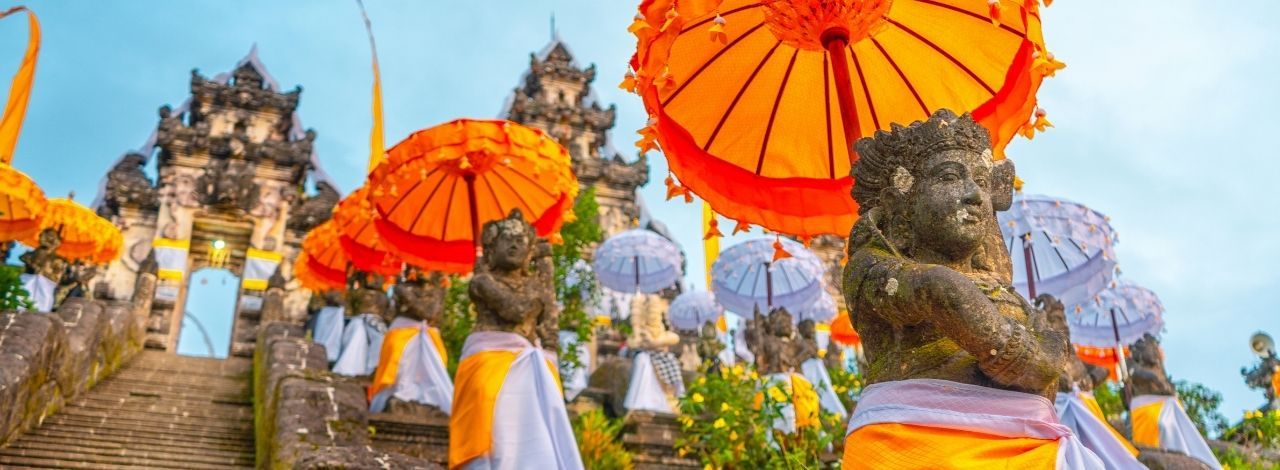
Bali is home to thousands of Hindu temples, known locally as pura. They are not simply tourist attractions but important places of worship and community life.

When visiting a temple, remember that you are entering a sacred space. Dress modestly, follow the temple’s specific instructions, and avoid disturbing people who are praying or participating in ceremonies. Some areas may be restricted to worshippers, so do not assume that every part of a temple is open to visitors.


3. Dress Respectfully When Visiting Temples

Visitors are commonly expected to dress appropriately when entering temple areas. Clothing should generally cover the shoulders and knees, and a sarong and sash may be required.

Some temples provide or rent these items at the entrance. Bringing a lightweight sarong can also be useful if you plan to visit several cultural attractions during your Bali holiday. Temple-specific requirements should always take precedence.


4. You Will See Daily Offerings Everywhere - Don't step on it!

One of the most recognizable parts of Balinese culture is the small daily offering called canang sari.

Made from woven coconut leaves and decorated with flowers and other offerings, canang sari can often be seen outside homes, shops, temples, and other spaces. These offerings are part of everyday spiritual practice and reflect gratitude and devotion.

As a visitor, take care not to step on or deliberately move offerings. When walking through busy streets or entrances, look down occasionally and give them space where possible.


5. Ceremonies Are Part of Everyday Life

Bali’s calendar includes religious and cultural ceremonies such as temple anniversaries, family ceremonies, purification rituals, Nyepi, and Galungan. Ceremonies may involve traditional clothing, offerings, music, dance, and community participation, while exact practices can vary between communities and families.

If you encounter a ceremony during your holiday, observe respectfully rather than treating it simply as a tourist performance. Keep a suitable distance, follow local instructions, and ask before taking photographs.


6. Community Is an Important Part of Balinese Life

Balinese culture places strong value on community cooperation. The banjar, a traditional community organization, helps coordinate social, religious, and communal activities.

Visitors may see members preparing offerings, organizing ceremonies, cleaning shared spaces, or gathering for community events. These activities show how cooperation supports daily life and helps preserve Bali’s cultural traditions.


7. Traditional Dance Tells Stories

Dance is an important part of Balinese performing arts. Traditional dances such as Legong, Barong, and Kecak combine movement, music, costumes, and storytelling.

Different dances have different contexts, meanings, and performance traditions. Some are connected to religious or ceremonial settings, while others are presented for cultural audiences. Watching a performance can help visitors learn about Bali’s stories and artistic heritage beyond its beaches and landscapes.


8. Respect Is More Important Than Getting the Perfect Photo

Bali offers countless opportunities for beautiful photographs, but cultural sites should always be treated with respect.

Ask permission before photographing people closely, avoid blocking ceremonies or processions, and follow instructions from temple staff or local authorities. Remember that a religious ceremony is a meaningful event for the local community, not a performance arranged for visitors.


9. Nature and Culture Are Connected

Bali’s cultural identity is closely connected to nature. The island’s famous Subak irrigation system reflects cooperation between communities, agriculture, and spiritual traditions.

The Cultural Landscape of Bali Province, including the Subak system, is recognized by UNESCO as a World Heritage site. It demonstrates how Balinese traditions connect water management, farming, community cooperation, and religious life.


10. Take Time to Experience Bali Beyond the Tourist Attractions

The best way to appreciate Balinese culture is to slow down and observe everyday life. You could visit a temple while following its visitor guidelines, attend a reputable traditional dance performance, try local Balinese food, or explore a neighborhood with a knowledgeable local guide.

You do not have to travel far from popular tourist areas to experience Bali’s culture. Respectful curiosity and careful observation can make even an ordinary walk more meaningful.


Experience Bali from Kuta

For travelers who want to explore South Bali, HARRIS Hotel & Residences Riverview Kuta offers a convenient base in Kuta. Located on Jalan Raya Kuta, the hotel provides rooms and residence-style accommodation for couples, families, and friends. Facilities include swimming pools, a fitness area, H’Spa, and Dino Kids Club.

From Kuta, travelers can combine cultural experiences with Bali’s beaches, shopping, dining, and family-friendly attractions. After a day of exploring, return to HARRIS Riverview Kuta for a comfortable place to relax before discovering more of Bali.


Up to 15% room discount for members, at any time. Free sign-up to unlock your welcome voucher!

Help

May I assist you?

Please wait a moment. We are currently processing your request.