You land in Batam hungry, short on time, and every recommendation points somewhere else. One person sends you to a seafood restaurant by the water, another to Nagoya, and another to the ferry area. In our experience, the easiest way to eat well in Batam is to choose the right district first, then the right dish, and finally the right restaurant.
That structure matters because Batam can feel simple on a map but scattered in practice. A better route keeps travel time down, protects your energy, and gives each meal a clearer purpose.
Key Takeaways:
- Batam Centre works best for short ferry trips and easy souvenir timing.
- Nagoya in Lubuk Baja offers the broadest range of restaurants, cafes, and street options.
- Harbour Bay is strongest for seafood and atmosphere, especially at dinner.
- First-time visitors should try mie tarempa, one proper seafood meal, a regional snack, and kueh lapis before departure.
- An updated opening hour matters more than old listicles, especially for breakfast, markets, and late returns.
If we are deciding where to eat in Batam, we are really deciding what kind of trip we want. Batam now blends ferry convenience, regional cuisine, cafe culture, and waterfront dining, which is why food-and-travel in Batam feels bigger than the island’s size suggests.
Why Batam Has Become One of Southeast Asia's Most Popular Food Destinations
Batam works because access is easy and the range is wide. We can come for a quick lunch, stop for coffee, and still end the day with seafood. That mix of speed, value, and Riau Islands flavor keeps the destination popular with short-stay visitors from Indonesia and beyond.
Expert Insight from HARRIS Hotels
Our perspective comes from hospitality operations and from hosting travellers across business travellers, government delegations, and families staying at Harris properties throughout Indonesia. We consistently see the same pattern: when the base fits the pace, the meals feel better, and the transfers feel lighter.
Where to Eat in Batam: Starts with Choosing the Right Area
Before we save restaurant names, we should choose a district. In Batam, convenience changes quickly once traffic, ferry timing, and appetite all meet on the same day.
Batam Centre for First-Time Visitors
Batam Centre is the easiest starting point for first-timers. It sits near the ferry terminal, mall access, and practical eatery clusters, so one opening hour delay is less likely to derail the day.
Nagoya for the Largest Food Selection
Nagoya, in Lubuk Baja, gives the widest spread in one area. We can find noodle shops, kopitiam breakfasts, casual cafe stops, and more than one seafood restaurant without crossing Kota Batam. According to Media Bina Ilmiah (2024), Nagoya’s culinary identity is tied to Peranakan and regional specialties such as nasi lemak, laksa, asam pedas, luti gendang, and mie tarempa.
Harbour Bay for Waterfront Dining Experiences
Harbour Bay is less about speed and more about mood. If dinner is the main event, Harbour Bay offers harbor views, slower pacing, and a stronger evening opening hour pattern than daytime markets.
Understanding Batam's Culinary Districts Before Choosing Restaurants
Most roundups flatten Kota Batam into one list, but the districts behave differently. Batam Centre supports quick ferry visits, Nagoya supports variety, and Harbour Bay suits destination dinners. According to Badan Pusat Statistik Kota Batam (2024), Kota Batam remains one of Indonesia’s major cross-border entry points, which helps explain why these areas dominate visitor movement.
The Local Dishes Every Batam Visitor Should Try
Once we choose an area, the next question is what to order. Famous places matter, but the trip feels more complete when we know which dish belongs to Batam and the wider Riau Islands.
Mie Tarempa and Why It Represents the Riau Islands
Mie tarempa is one of the clearest links between Batam and the Riau Islands. This savory mie dish usually comes with a deeper sauce, stronger texture, and a more distinctive noodle profile than standard fried noodle plates.
Fresh Seafood That Defines Batam Dining
Seafood is still the headline category for many visitors. Crab, prawn, shellfish, and steamed fish are easy to share, and a good seafood restaurant will usually make freshness obvious before we order.
Luti Gendang as a Signature Snack
Luti gendang is a practical regional snack between lunch and dinner. It is filling, portable, and a good reminder that Batam cuisine is not limited to large restaurant meals.
Layer Cake and Other Popular Food Souvenirs
Layer cake remains one of the best-known souvenirs, and many travelers still ask for kueh lapis before boarding the ferry home. Buy kueh lapis late, keep the box simple, and avoid carrying it around all day.
Local Food Culture Beyond Restaurant Recommendations
Lists help, but dishes tell the deeper story. According to Tourism Scientific Journal (2023), Batam’s gastronomy becomes more meaningful when visitors connect meals with culture and lived experience across the Riau Islands, not just one viral stop.
Best Seafood Restaurants in Batam Worth Visiting
Seafood is often the main reason people visit Batam, but the right choice depends on the kind of evening we want. A family table, a waterfront view, and a faster value-focused meal do not always belong in the same place.
Seafood Spots Around Harbour Bay
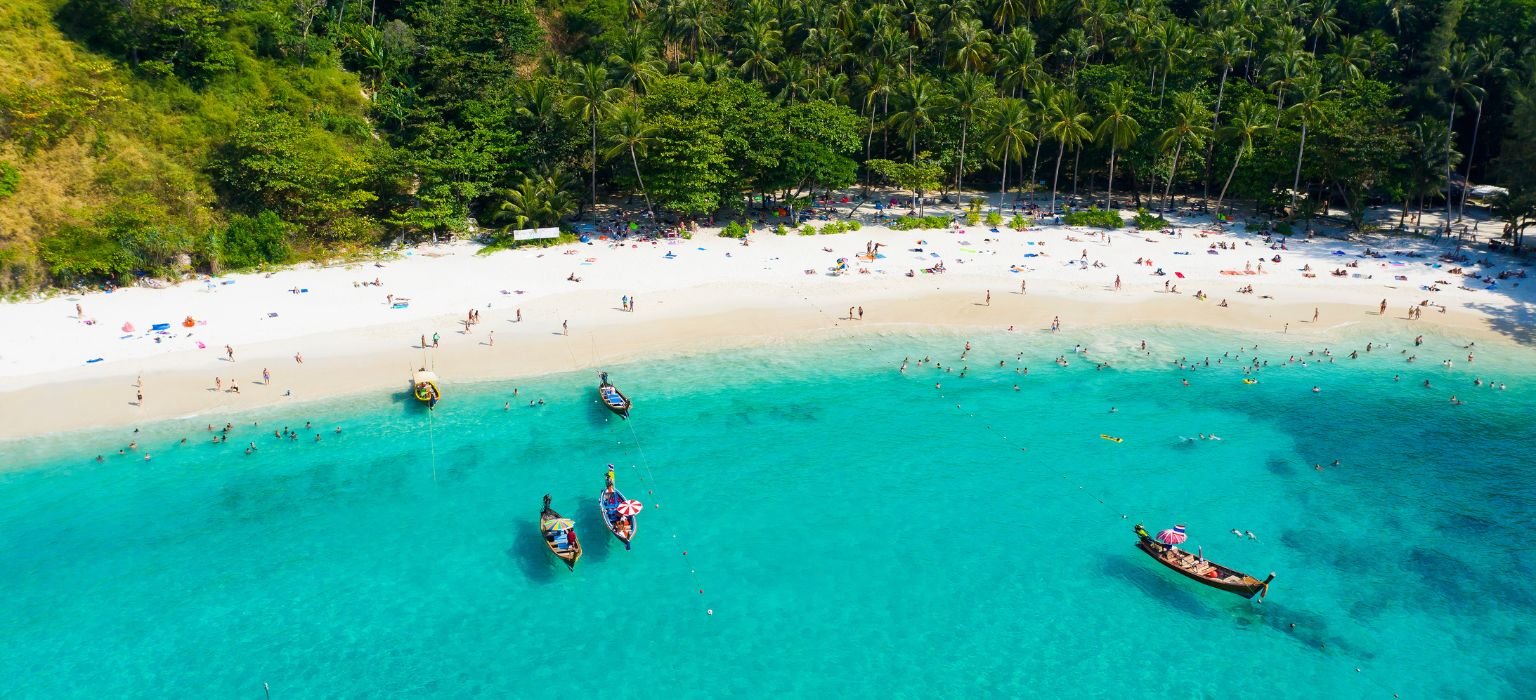
Harbour Bay remains one of the strongest zones for a full seafood dinner. The draw is not only what each restaurant can serve, but the harbor setting and slower rhythm after a busy day.
Family-Friendly Seafood Dining Experiences
For families, space and a clear menu matter almost as much as taste. Larger venues with easy group order flow usually work better than chasing the single most talked-about seafood restaurant.
Premium Seafood for Special Occasions
Some restaurant choices are more polished, with private rooms, steadier service, and tables suited to hosted dinners. That can matter for business groups, anniversaries, or multigenerational travel where timing needs to feel smoother.
Budget-Friendly Seafood Alternatives
We do not need a waterfront booking to eat good seafood in Batam. A neighborhood eatery or food court can still serve fresh fish and prawn at a lower cost, even if the setting is simpler.
How to Choose Seafood Restaurants Based on Experience Not Just Popularity
We usually suggest four checks: do we want a view, are we feeding different ages, how much travel time feels realistic, and is the opening hour still current? That framework usually beats chasing one famous address.
Best Local Food Spots Near Batam Centre
Not every visitor wants to cross Batam for every meal. Batam Centre is especially useful when the ferry schedule shapes the entire day.
Breakfast Favorites Loved by Locals
A strong morning here usually means coffee, toast, rice, or a noodle breakfast at a busy eatery. The appeal is speed, regulars, and an opening hour that starts early enough to support day-trippers.
Lunch Spots Near the Ferry Terminal
For lunch soon after arrival, this is one of the easiest areas to start. Nearby restaurant and food court options keep the route efficient, especially if we still plan to visit Nagoya later.
Evening Food Markets Worth Exploring
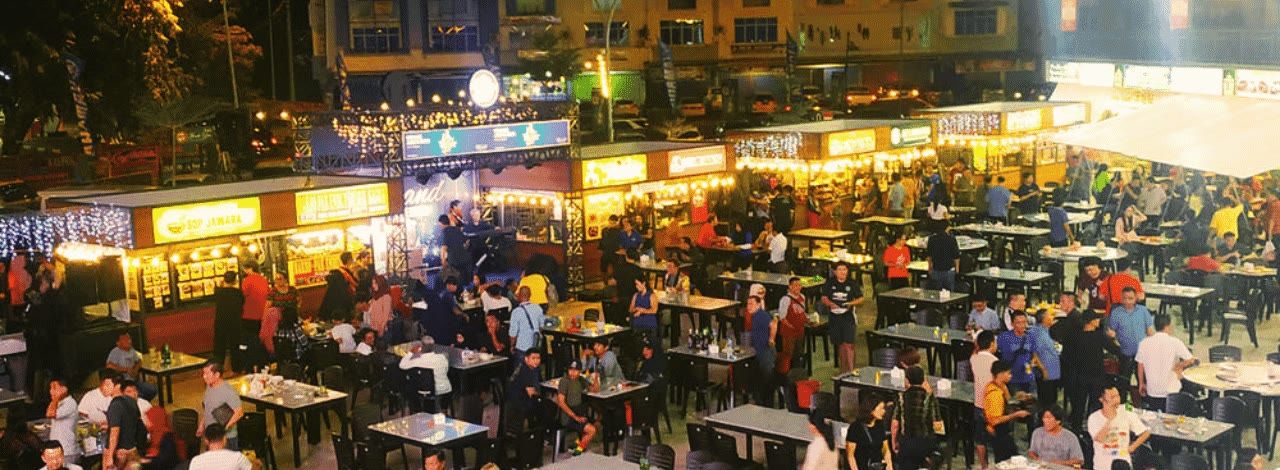
If we stay into the evening, smaller market clusters can feel more grounded than terminal-side dining. The main caution is simple: one delayed opening hour can change the route, so same-day checks still matter.
Hidden Gems Beyond Tourist Recommendations
Some of the most reliable meals in Batam Centre come from a compact stall, a narrow-menu Malay place, or a coffee shop with daily regulars. These are not always the most photographed spot, but they are often the most dependable.
Restaurants Convenient for Day-Trippers
Day-trippers need restaurant choices that respect the ferry clock. In this area, a shorter transfer and a predictable opening hour can matter more than trend value.
Best Cafés and Modern Dining Experiences in Batam
Batam’s dining story is no longer only about seafood and large dinners. The cafe layer matters too, especially for travelers who want better pacing between heavier meals.
Trendy Cafés for Couples and Young Travelers
Nagoya and nearby parts of Lubuk Baja lead the cafe scene, with spaces that combine coffee, dessert, and longer-table conversation. Not every stop needs to feel fast.
Instagrammable Dining Spots with Great Food
Good visuals can attract attention, but the places worth repeating are the ones where the plate still holds up after the Instagram moment. We usually look for taste first, then design.
Healthy Dining Options for Wellness Travelers
Lighter daytime menus are easier to find now, from grilled proteins to fruit drinks and balanced brunch plates. That matters because one heavy meal can be enjoyable; three in a row usually make travel feel slower.
Coffee Culture in Batam
A coffee stop does more than fill time. It resets the day between districts, softens the rush between Batam Centre and Lubuk Baja, and keeps dinner from becoming an overcorrection.
Modern Lifestyle Dining Beyond Traditional Food Guides
If we search only for seafood, we miss part of current Batam. Modern dining now includes dessert counters, brunch routines, and cafe hopping, while Harris Cafe supports a steadier start before we head back out.
One-Day Food Itinerary for First-Time Visitors
If we only have one day, each stop needs to support the next one. Random movement is usually what makes people feel tired before dinner.
Breakfast Recommendations
Start with a lighter breakfast in Batam Centre or Nagoya: coffee, toast, rice, or a small noodle bowl. The goal is to wake up the appetite, not finish it early.
Lunch Recommendations
Use lunch for a signature dish like mie tarempa. If the ferry arrives around midday, Batam Centre is practical; if the day is already moving through Lubuk Baja, Nagoya gives more range.
Afternoon Snack Stops
Mid-afternoon is a good time for luti gendang, bakery snacks, or another coffee break. That pause helps us eat Batam with better pacing instead of pure hunger.
Seafood Dinner Experience
Dinner is the right time for seafood. Harbour Bay works well for atmosphere, while simpler areas work if taste matters more than the view. Either way, confirm the opening hour before we go.
Souvenir Shopping Before Departure
Pick up layer cake, kueh lapis, or packaged snacks at the end of the route. Batam Centre makes that easier because shopping and the ferry return sit close together.
Complete Culinary Journey Instead of Random Restaurant Lists
The strongest pattern is simple: breakfast near arrival, a regional lunch, a snack or cafe stop, seafood at night, and souvenirs last. If we want to eat Batam well in limited hours, structure is part of the flavor.
Weekend Food Itinerary for Food Lovers
With two days, Batam becomes easier. The goal is not to do everything, but to cluster each meal well enough that the island still feels enjoyable.
Day One Culinary Exploration
Use day one for the major zones: Batam Centre after the ferry, Nagoya in Lubuk Baja for signature dishes and coffee, then Harbour Bay for seafood. That gives a broad first read of Kota Batam without making the route too loose.
Day Two Hidden Local Favorites
Day two is better for quieter choices: another mie dish, a neighborhood eatery, or a second cafe before departure. By then, appetite usually guides the plan better than search results.
Combining Food with Attractions
Families do better when meals sit beside the rest of the day instead of competing with it. A waterfront route can pair with scenic stops, while a Lubuk Baja route can pair with shopping and shorter rides.
Transportation Tips Between Food Districts
Ride-hailing apps, private drivers, and property transport support remain the easiest ways to move between Batam Centre, Lubuk Baja, Harbour Bay, and Barelang. Short distances in Kota Batam can still stretch during peak hour traffic.
Multi-Day Planning Strategy
Day one can carry the better-known names. Day two should feel tighter, calmer, and more instinctive. Once we organize by area instead of impulse, Batam becomes much easier to enjoy.
Why Staying Near Batam's Food Hotspots Makes a Better Trip
People often treat the hotel as the space between meals. In Batam, location can decide how many good meals actually fit the trip.
Reduced Travel Time Between Dining Stops
Shorter transfers protect appetite and mood. For business travelers especially, the difference between one memorable restaurant and giving up on dinner is often just extra road time.
Easier Access to Morning and Night Food Experiences
Breakfast and dinner ask for different energy. We usually want speed in the morning and room to linger at night, and a well-placed hotel makes both easier without overcomplicating the route.
Better Experience for Families
Families need recovery time between outings. If every meal requires another long ride, the day tightens quickly and even a good place can start to feel like work.
Better Experience for Weekend Travelers
Weekend visitors have the least margin for wasted time. A practical base near Batam Centre, Lubuk Baja, or the waterfront can protect more of the trip than any last-minute reservation.
The Missing Accommodation Strategy
This is the part many guides skip. They tell us where to eat, but not where to stay so the route feels realistic. A hotel cannot fix bad timing, but it can give the plan a better starting point.
Stay Close to Batam's Culinary Attractions at HARRIS Resort Barelang Batam
If the trip mixes food with scenery, recovery, and a slower pace, HARRIS Resort Barelang Batam offers a different advantage. It is not the most central base, and being clear about that helps guests plan better.
Strategic Location for Exploring Batam
The resort suits travelers who want the Barelang side of Batam, open views, and scenic seafood outings. Urban dining still needs transport planning, but Barelang can be the right trade for calmer evenings.
Relax After Food Adventures with Wellness Facilities
Most weekends built around eating are fun until fatigue catches up. Rai Fitness, pool time, and a less compressed rhythm support recovery between bigger meals under #BalanceAtHarris.
Healthy and Happy Philosophy for Modern Travelers
Some guests want a rich seafood dinner and a lighter next morning. Harris Cafe supports that balance without making the stay feel restrictive, which is often more realistic than a rigid wellness routine.
Facilities for Families and Couples
Families often need different things at different hours, and Kids Club plus open leisure areas help those needs coexist. Couples benefit differently: a food-led weekend usually feels better when there is room to pause.
How the Resort Complements a Food-Focused Vacation
HARRIS Resort Barelang Batam works best for guests who see food as part of a fuller break. It supports recovery, gives families breathing room, and offers a calmer finish after a seafood night out.
Planning Your Batam Food Adventure
The best answer to where to eat in Batam is rarely one restaurant name. It is a route that respects timing, budget, and the kind of travel we actually want.
Best Time to Visit Popular Restaurants
Breakfast spots are strongest early, seafood usually peaks at dinner, and cafe visits work best between lunch and evening plans. Same-day opening hour checks are still the safest habit.
Budget Expectations for Different Dining Styles
Batam allows several price levels in one trip. A modest breakfast may cost only a lighter amount of rupiah, while a full seafood dinner will naturally cost more. We usually suggest putting budget weight behind one memorable meal.
Transportation Options Around Batam
Ride-hailing apps, private cars, and property transport are the most practical ways to move around Batam Kepulauan Riau. If the route includes Batam Centre, Harbour Bay, and Barelang, grouping nearby stops saves more time than chasing one address.
Essential Tips for First-Time Food Travelers
Start with districts, not only restaurant names. Leave room for one regional dish, one seafood dinner, one coffee stop, and one souvenir run. Before we debate where to eat, check the opening hours.
Conclusion with HARRIS Hotels Expertise
From our hospitality perspective, Batam rewards travelers who match food goals with the right base, the right district, and the right pace. That is true for couples, families, and teams extending a work trip. If we want to eat well in Batam, we should plan the area first, the dishes second, the restaurant names third, and the accommodation close behind. If a calmer stay near Barelang fits that plan, Harris Hotels can be a useful part of the conversation.
Frequently Asked Questions
Is Batam good for a one-day food trip from Singapore?
Yes. Batam is a good option for a one-day food trip if we stay focused on Batam Centre and one additional area, such as Nagoya or Harbour Bay. Let the ferry schedule shape the route instead of trying to cover all of Kota Batam.
Which area is best to stay in for food in Batam?
It depends on the trip. Batam Centre is practical for short ferry stays, Nagoya in Lubuk Baja is strongest for variety, Harbour Bay suits evening seafood, and Barelang suits travelers who want a calmer resort base.
What food should first-time visitors not miss in Batam?
We would prioritize mie tarempa, a proper seafood meal, a regional snack such as luti gendang, and layer cake or kueh lapis for the trip home. That mix gives a clearer read of Batam, the Riau Islands, and the wider identity of Kepulauan Riau Indonesia.
Written by Staff Brand Development, HARRIS Hotels – Ascott Indonesia
With more than 20 years of experience in mid-upscale hospitality and wellness tourism across Asia Pacific, our team focuses on energetic lifestyle stays that combine productivity, restoration, and family-friendly travel needs for modern guests in Indonesia.